
Rail’s Service Moment: Turning Volume Recovery into Network Performance
Rail transportation is moving into a period where demand signals are improving, but customers and regulators will judge the sector by service performance. Volume growth is valuable only if railroads can translate it into reliable network movement, better car-cycle performance, controlled dwell time, crew availability, and predictable customer commitments.
For railroad CEOs, the opportunity is not simply to carry more freight. It is to prove that the network can absorb volume, protect safety, improve service, and create value for shippers without returning to congestion, missed commitments, or cost-heavy recovery operations.
Railroads have a service moment: renewed volume can create enterprise value only when network performance, asset turns, crews, terminals, and customer commitments are managed through one disciplined operating system.
Volume Recovery Raises the Operating Bar
The Association of American Railroads’ Rail Industry Overview reported in 2026 that traffic strengthened again in May and that growth was becoming broader across the network. AAR’s weekly rail traffic release for the week ending May 30, 2026 also reported that North American rail volume for the first 21 weeks of the year was up 2.3% compared with 2025.
That improvement is a positive signal, but it does not guarantee value creation. Railroads can generate volume and still disappoint customers if service becomes inconsistent, trains dwell longer, crews are misallocated, or terminal congestion absorbs the benefit of stronger demand. The CEO challenge is to convert freight recovery into network performance.
The Bureau of Transportation Statistics’ Truck-Rail Freight Transportation Service Index for April 2026 adds another useful lens because it tracks freight activity across truck and rail. In a freight market where modal choices remain competitive, railroads must protect service reliability if they want to capture share and deepen shipper confidence.
Network Performance Is Built at the Interfaces
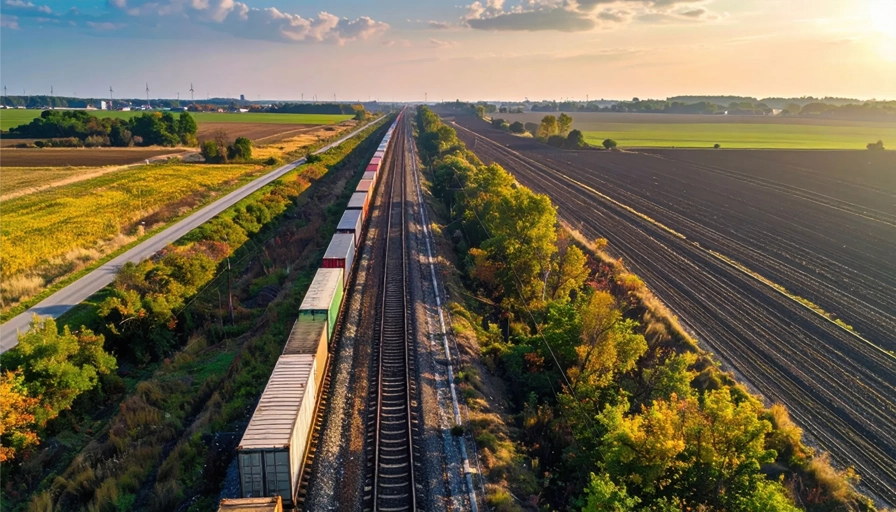
Railroad service is a network outcome. It depends on line-haul movement, terminal performance, yard operations, train building, locomotive availability, car supply, crew calling, customer facilities, interchange execution, and maintenance windows. Weakness at any interface can create delays that spread across the network.
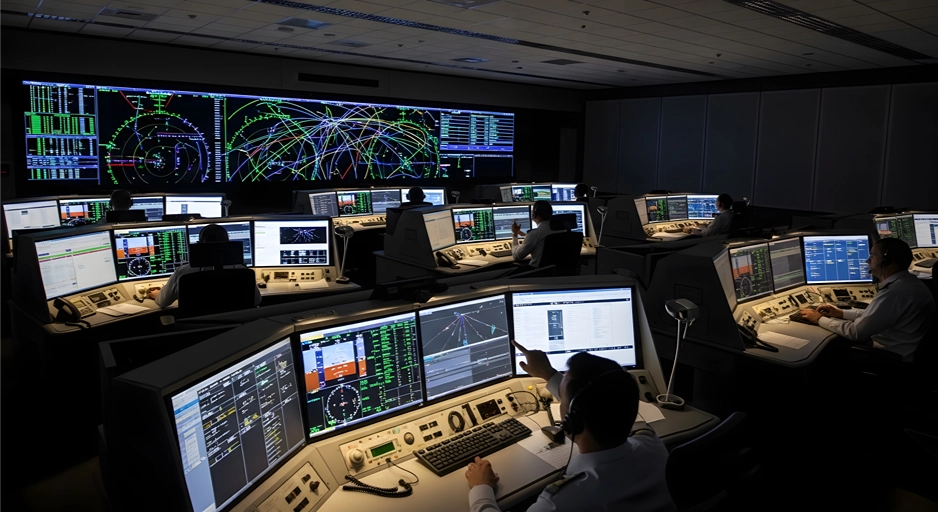
The Surface Transportation Board’s Rail Service Data program requires Class I carriers to report weekly performance information, including metrics that help the agency and the public monitor rail service. That transparency reinforces a key point for executives: service cannot be managed only from lagging customer complaints or monthly reviews. It requires live visibility into the operating mechanics of the network.
The practical question is whether leaders can see where service failures originate. Is the issue crew availability, yard dwell, locomotive supply, customer release timing, maintenance-of-way windows, interchange congestion, or train-plan discipline? Each root cause requires a different operating response.
Asset Velocity Is the Financial Engine
Railroads are capital-intensive businesses. Locomotives, railcars, terminals, track, signals, and maintenance facilities create value when they move freight with high reliability and low avoidable delay. If cars cycle slowly, locomotives sit unproductive, or terminals become congested, volume can increase while asset productivity deteriorates.
Improving asset velocity is not simply a matter of moving faster. It requires disciplined train planning, terminal execution, car supply management, maintenance scheduling, customer coordination, and balanced service commitments. A narrow focus on one metric can create unintended consequences elsewhere in the network.
For CEOs, the right lens is enterprise throughput. Leaders should understand which assets are constrained, which terminals are absorbing network capacity, which lanes have chronic delays, which customers create variability, and which service commitments are not matched by operating capability.
Crew Availability and Safety Must Stay Connected
Rail service depends on specialized crews, supervisors, dispatchers, mechanical teams, and maintenance workers. Volume recovery can create pressure to stretch labor, increase overtime, or rely on informal workarounds. That can improve short-term throughput but create fatigue, safety, retention, and service risks.
The Federal Register’s February 2026 Railroad Safety Advisory Committee notice is a reminder that rail performance is always tied to safety governance. Railroads cannot separate productivity from safety, training, fatigue, maintenance compliance, and frontline decision rights.
The strongest rail operators manage safety and service together. They use leading indicators, frontline observations, supervisor routines, maintenance compliance, crew-availability data, and incident review to identify where the network is being stressed before failures become visible to customers or regulators.
Customer Confidence Requires Predictable Execution
Rail customers need dependable pickup, transit, interchange, and delivery commitments. They are often planning production, inventory, export schedules, or downstream transportation around rail performance. Uncertainty forces shippers to add inventory, shift modes, split freight, or absorb service-recovery costs.
That makes customer confidence an operating-performance outcome. Account teams can communicate service commitments, but the railroad must deliver them through dispatch, yards, crews, locomotives, cars, and customer facility coordination. Service recovery needs defined escalation, not informal problem solving.
For CEOs, customer commitments should be tied to operating facts. The organization should know which customers are most exposed to service variation, which lanes are at risk, which facilities cause dwell, and which operating fixes have the greatest customer and financial impact.
The Brooks International Perspective
From Brooks International’s perspective, rail’s service moment is a management-system opportunity. Volume growth creates the opening, but disciplined execution determines whether it becomes EBITDA, customer loyalty, and capital productivity.
The highest-value opportunities often sit at the seams of the network: car supply to customer demand, crew plans to train plans, yard execution to line-haul velocity, maintenance windows to service commitments, and operating performance to customer escalation. Those seams must be visible and actively managed.
Brooks International helps leadership teams build the routines, metrics, accountability, and operating cadence required to improve throughput and reliability. For railroads, that means connecting network strategy to the daily management of crews, assets, terminals, maintenance, and customer commitments.
Railroads that can turn volume recovery into predictable service will be better positioned to win freight, defend pricing, improve asset productivity, and strengthen shipper confidence.
What Transportation Leaders Should Be Asking Now
The leadership agenda should focus on whether the network can absorb volume while improving service reliability, safety, and asset productivity.
• Which service failures are caused by crew availability, yard dwell, locomotive supply, car supply, maintenance windows, or customer facility constraints?
• Can leadership see car-cycle performance, train velocity, terminal dwell, and customer exposure in one operating cadence?
• Where is volume growth creating congestion or asset inefficiency rather than enterprise value?
• Are safety, fatigue, maintenance compliance, and productivity reviewed together or managed in separate silos?
• Which customers, lanes, and facilities create the greatest variability in service performance?
• Does the organization have clear escalation routines when service commitments begin to drift?
The Leadership Imperative
Railroads have an opportunity to turn broader freight recovery into stronger network performance. But volume alone will not define the winners.
The railroads that outperform will be those that manage service as an operating system: crews, assets, terminals, safety, maintenance, and customer commitments aligned through disciplined execution.
For rail CEOs, the mandate is clear: convert renewed freight momentum into reliable network performance and visible enterprise value.